The story
Tired of watching kids get hypnotized by unhealthy games
The idea didn't come from a game design school. It came from the waiting room.
As a healthcare professional, you see kids pass through all day long. And for a few years now, it's always the same scene: a kid with empty eyes, hypnotized by a screen, who doesn't even respond when called — not because the game is engaging, but because it's built that way. The energy bar that drains at the worst moment. The ad you can't close. The level tuned to frustrate you until the purchase that unlocks everything. That's not game design. That's frustration engineering, sold to children.
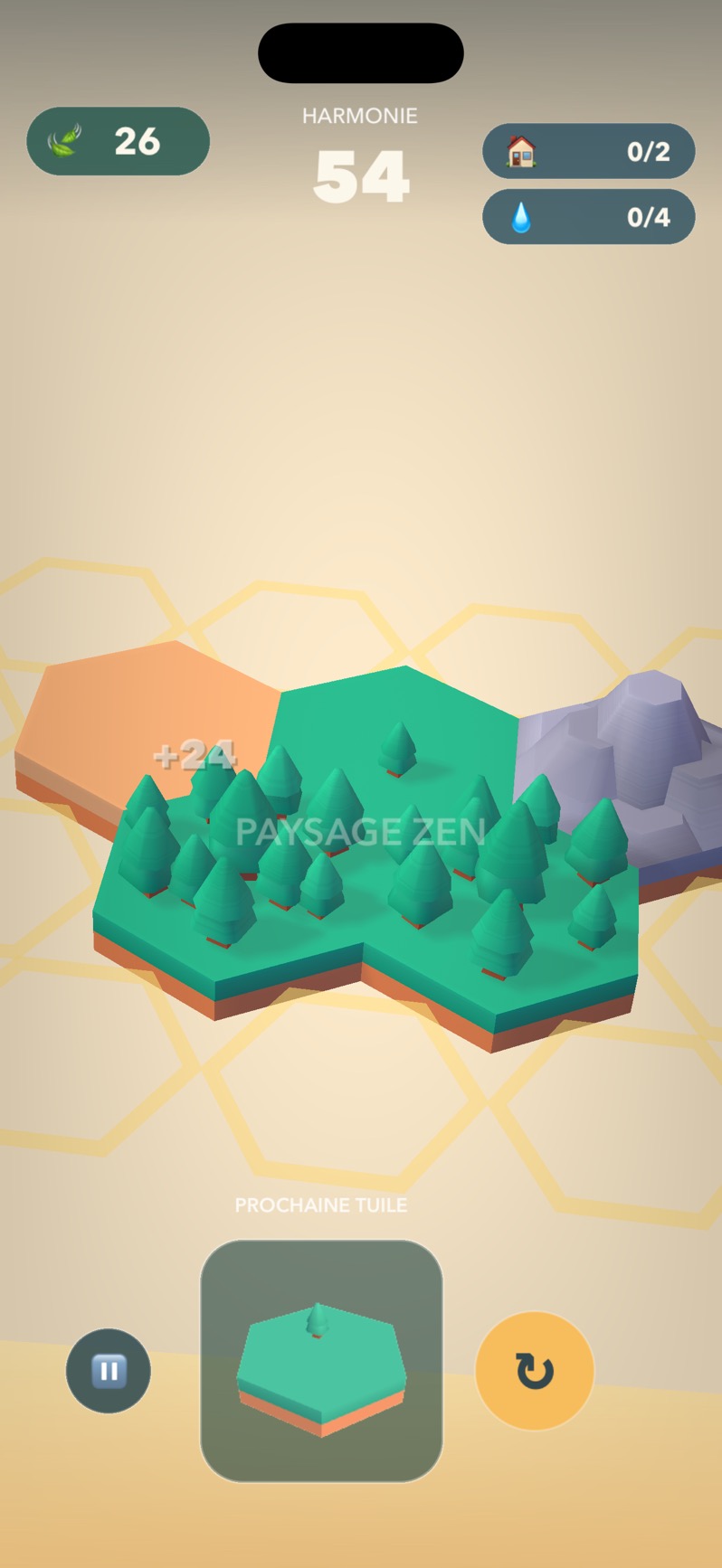
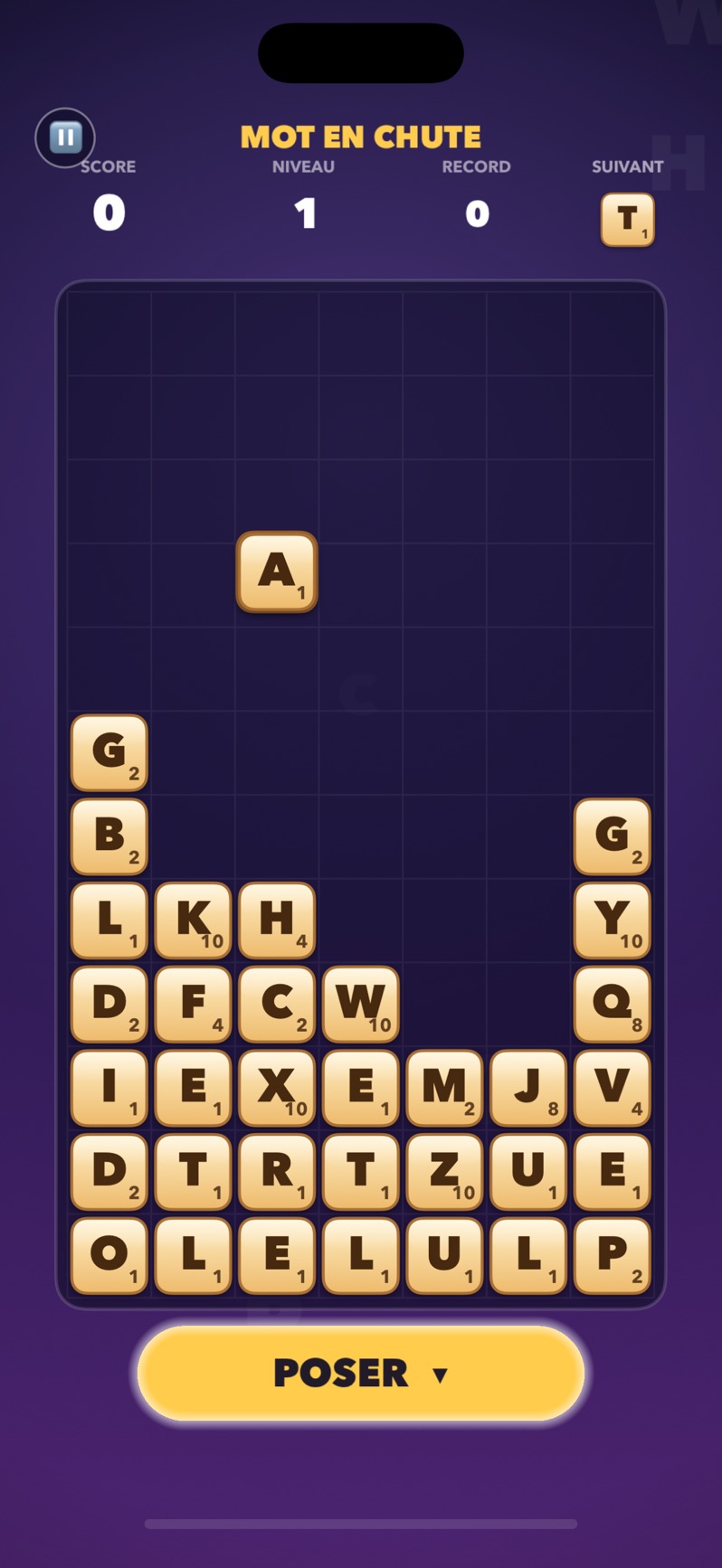
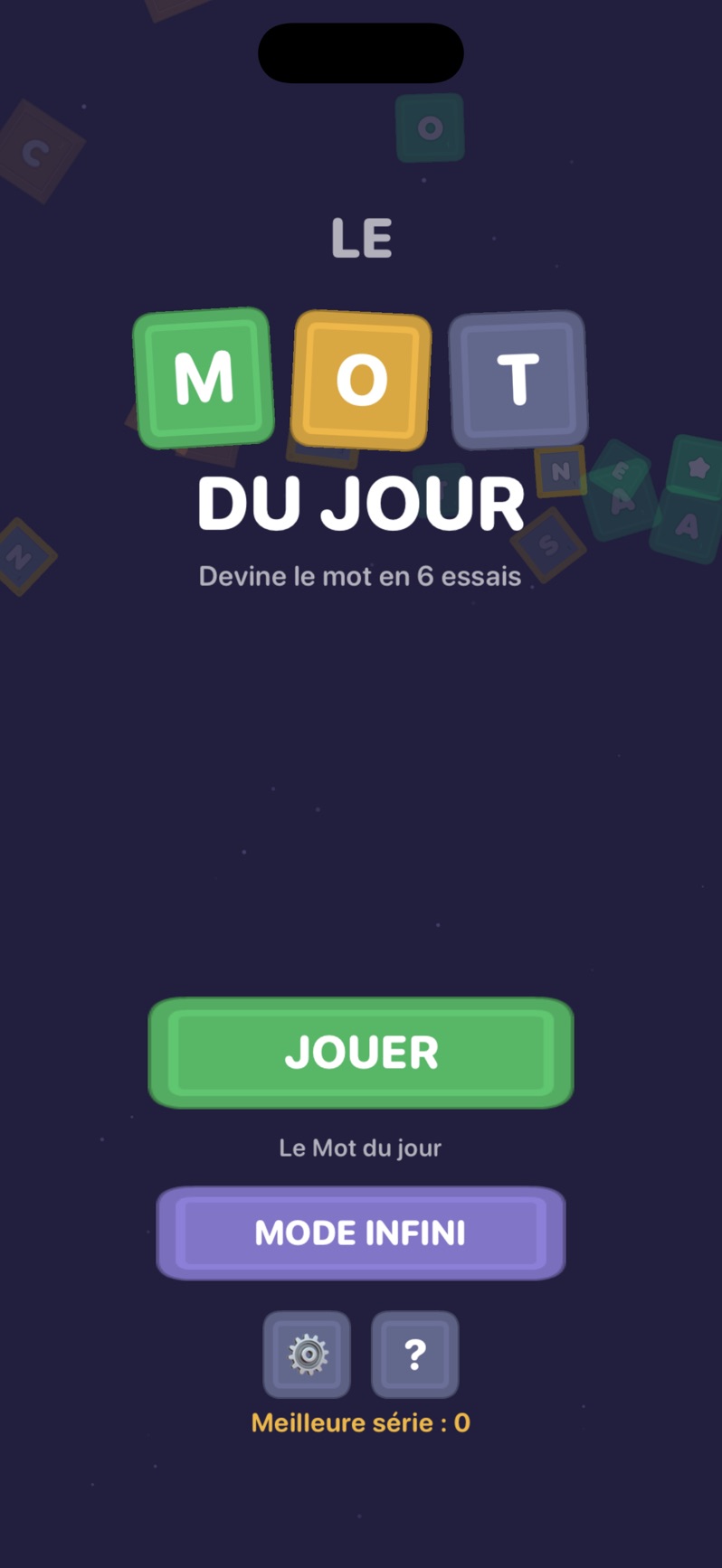
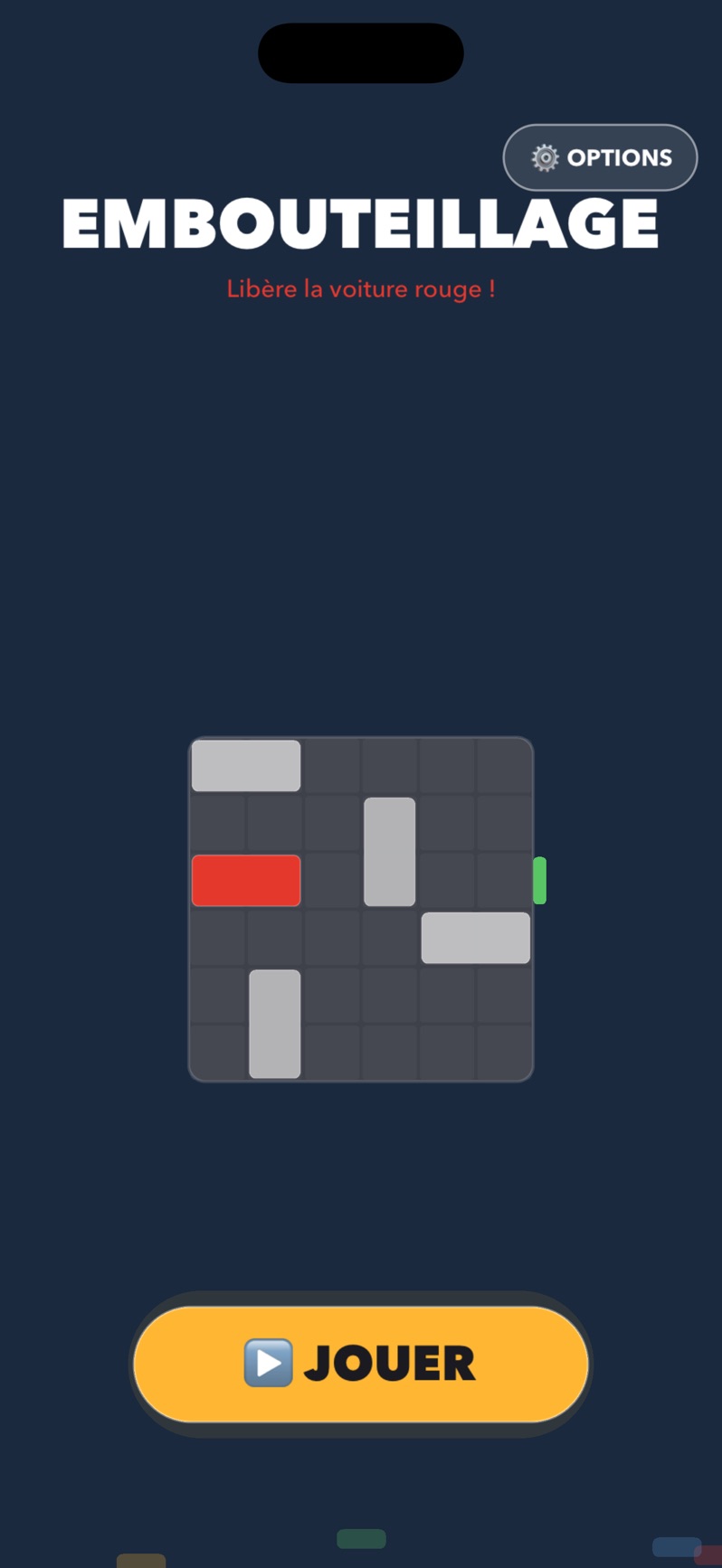
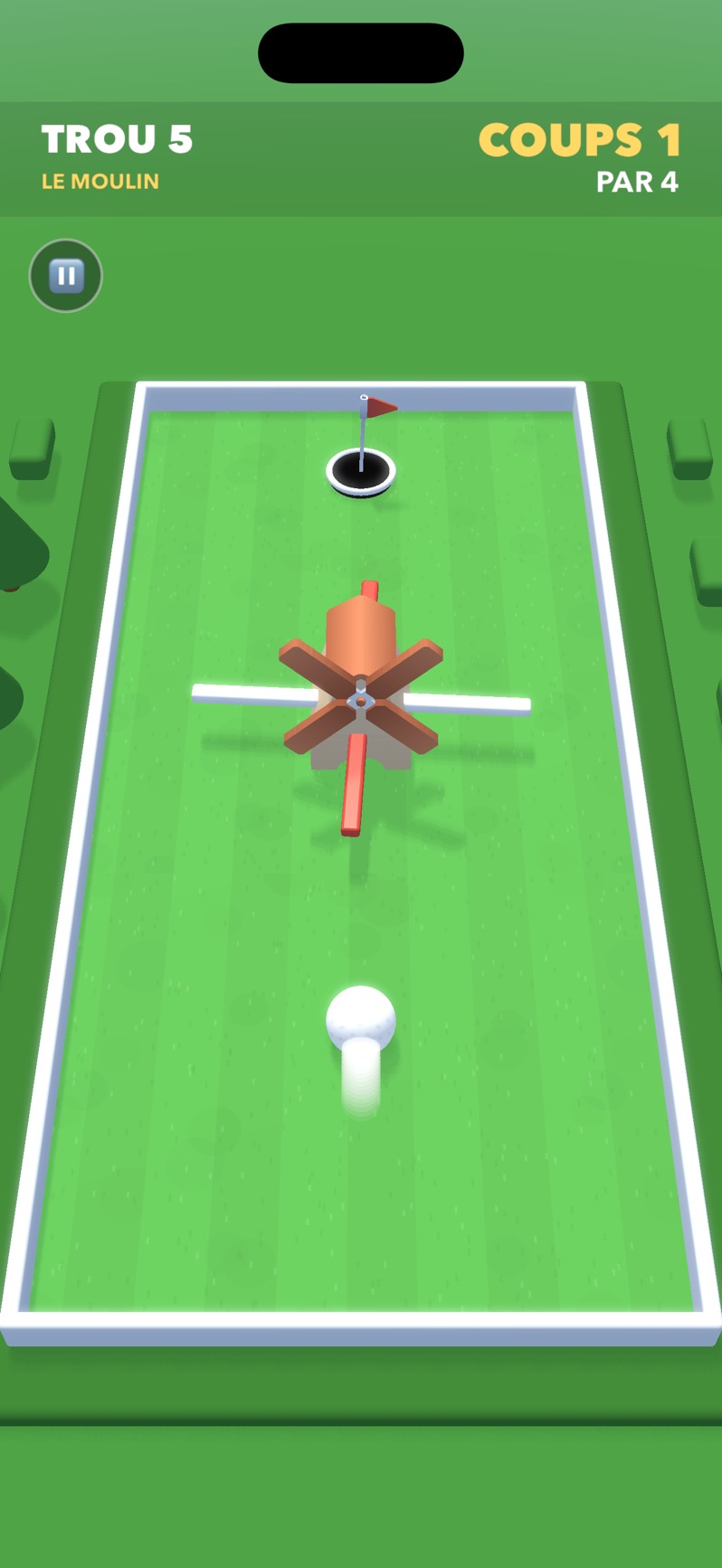
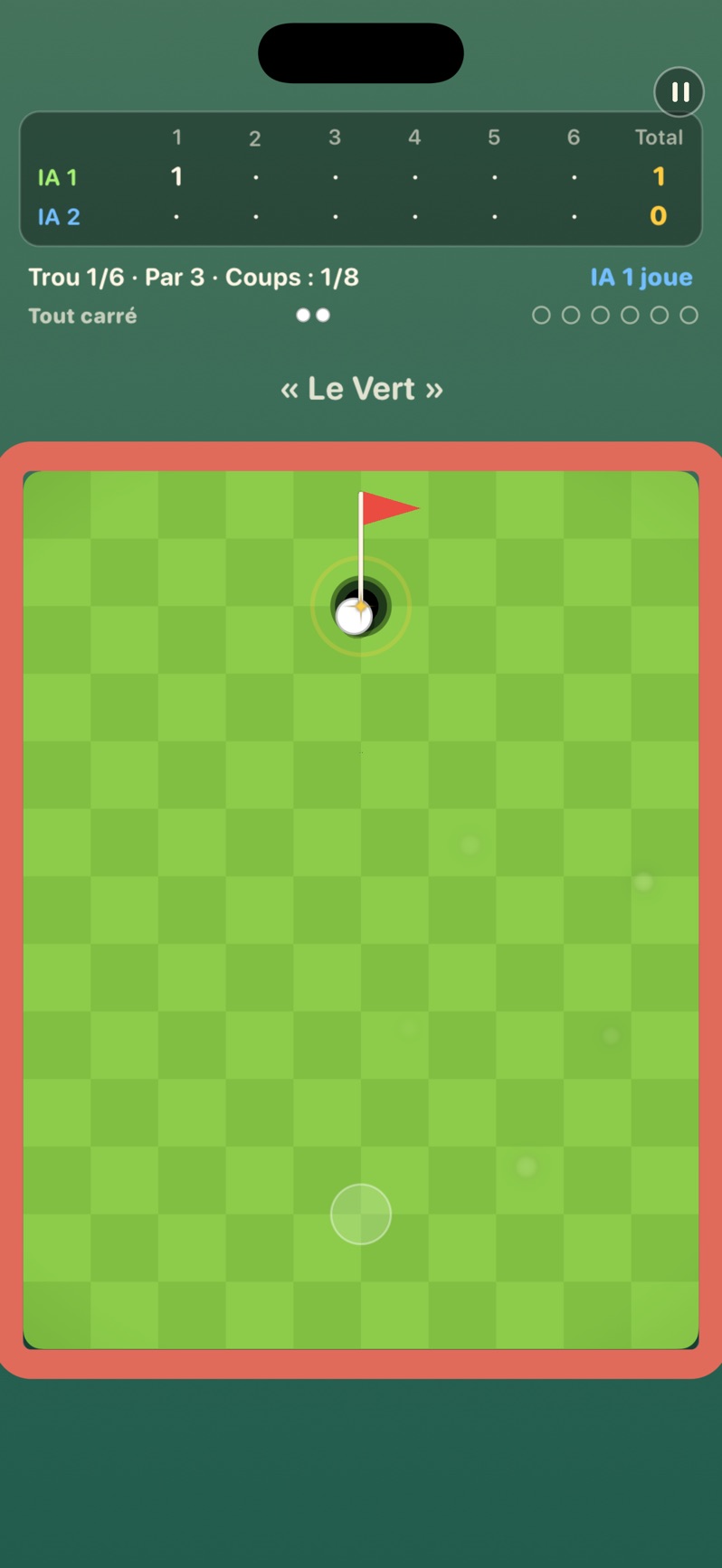
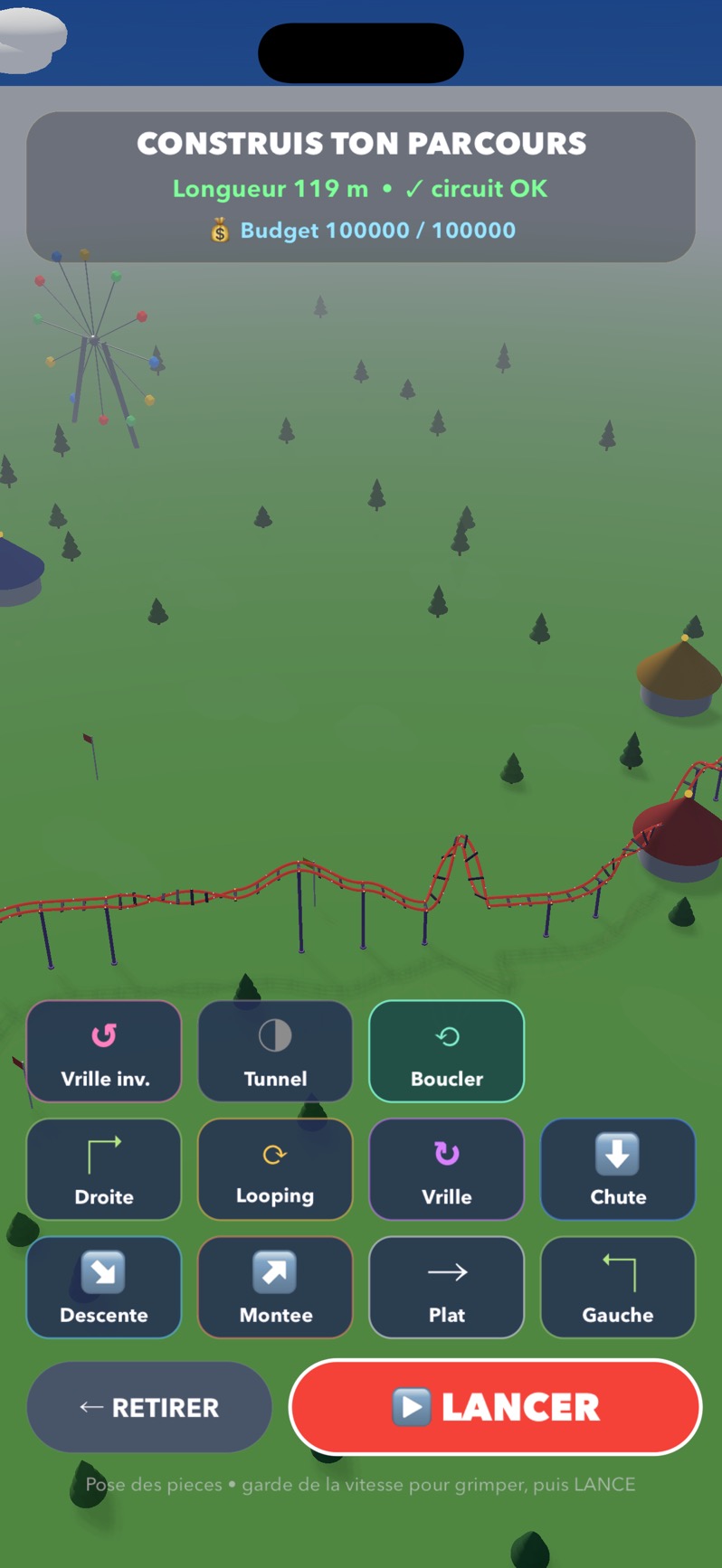
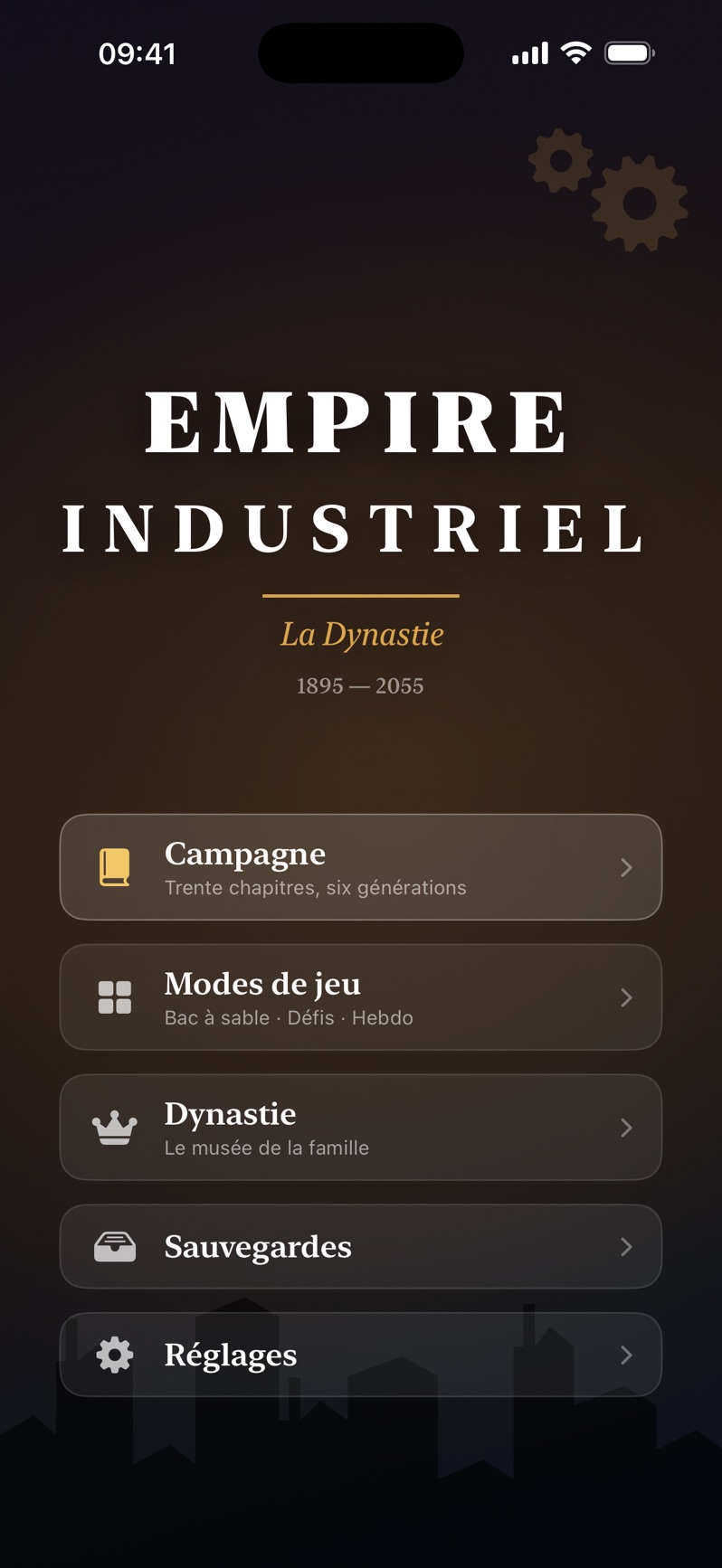
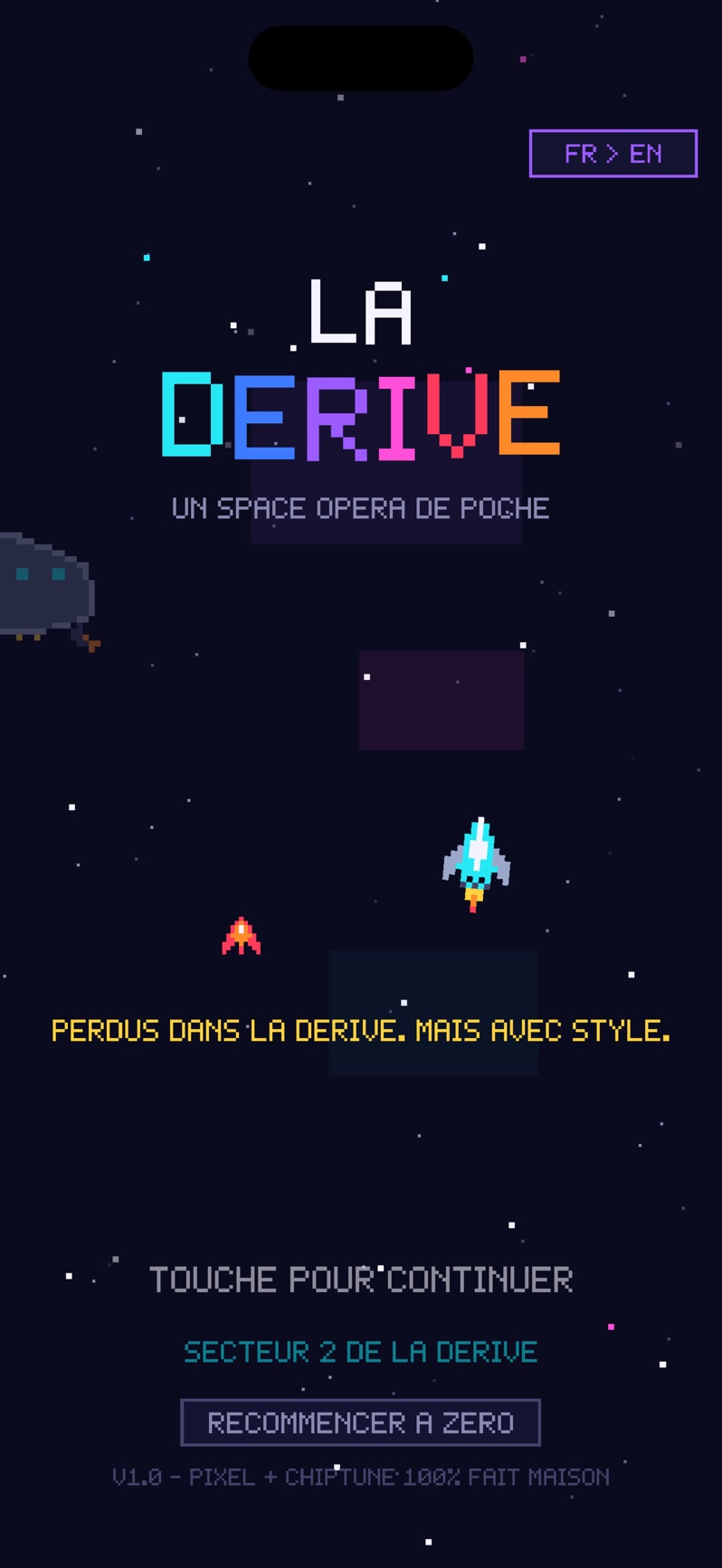
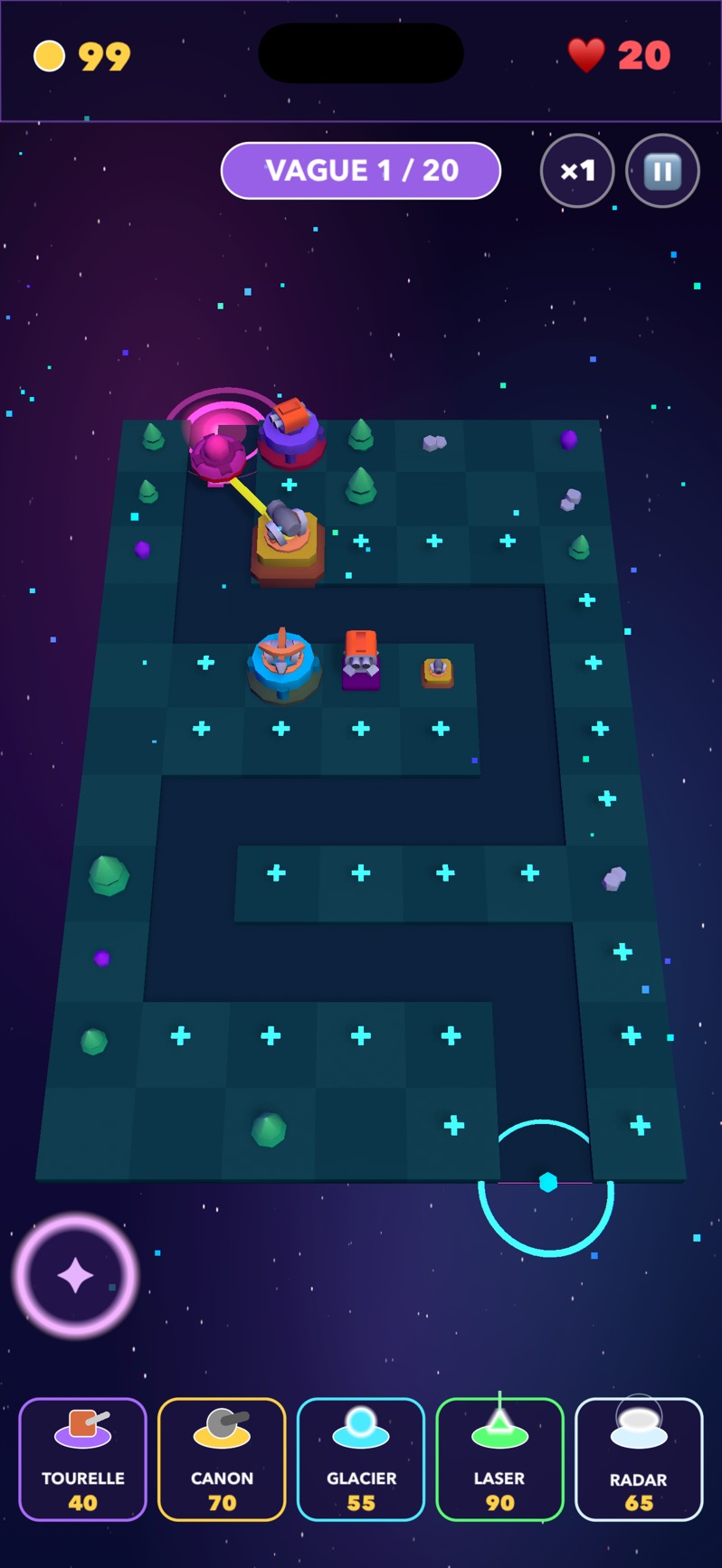
What made it possible to respond differently was vibe coding — coding by talking with an AI instead of mastering fifteen years of syntax. Overnight, a healthcare professional with no engineering background could start actually building whole, finished, playable games.
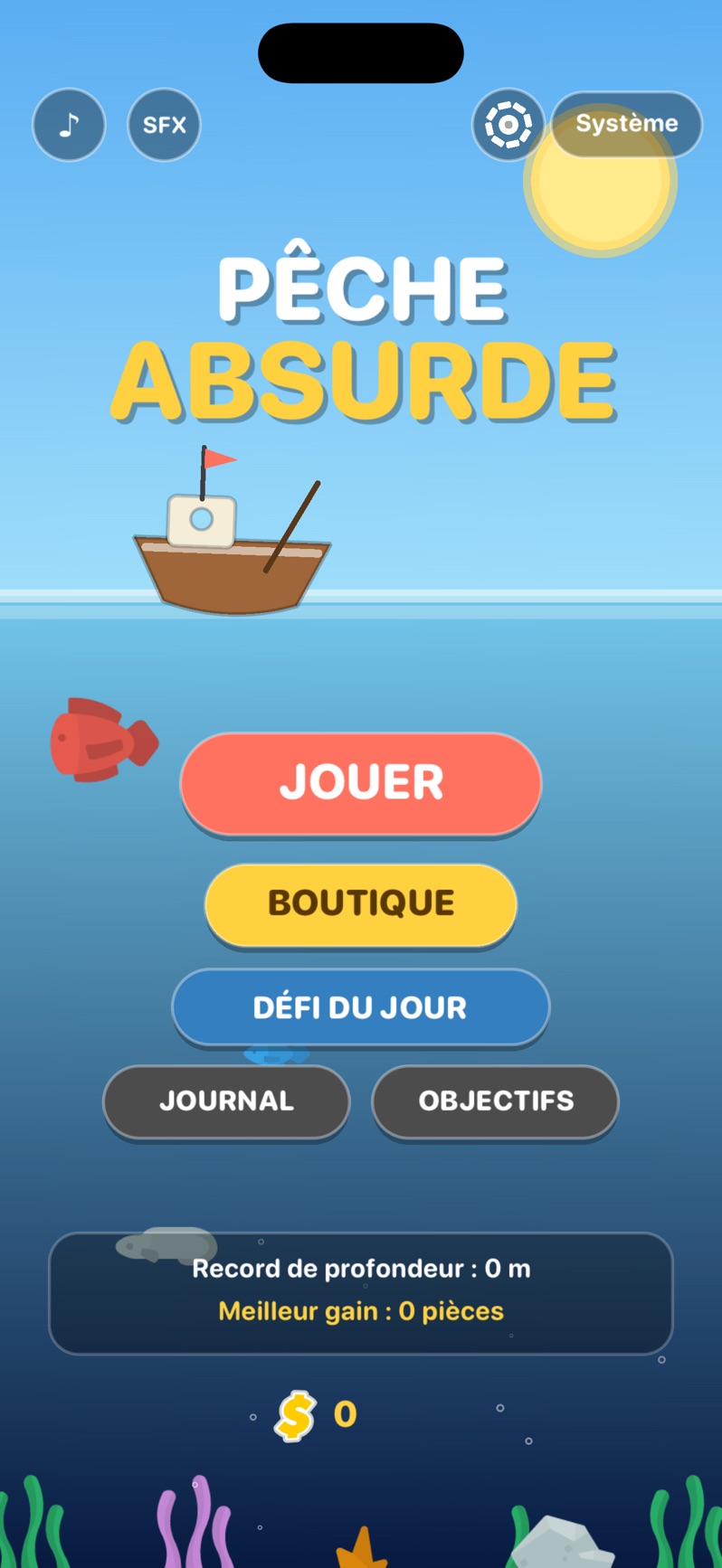
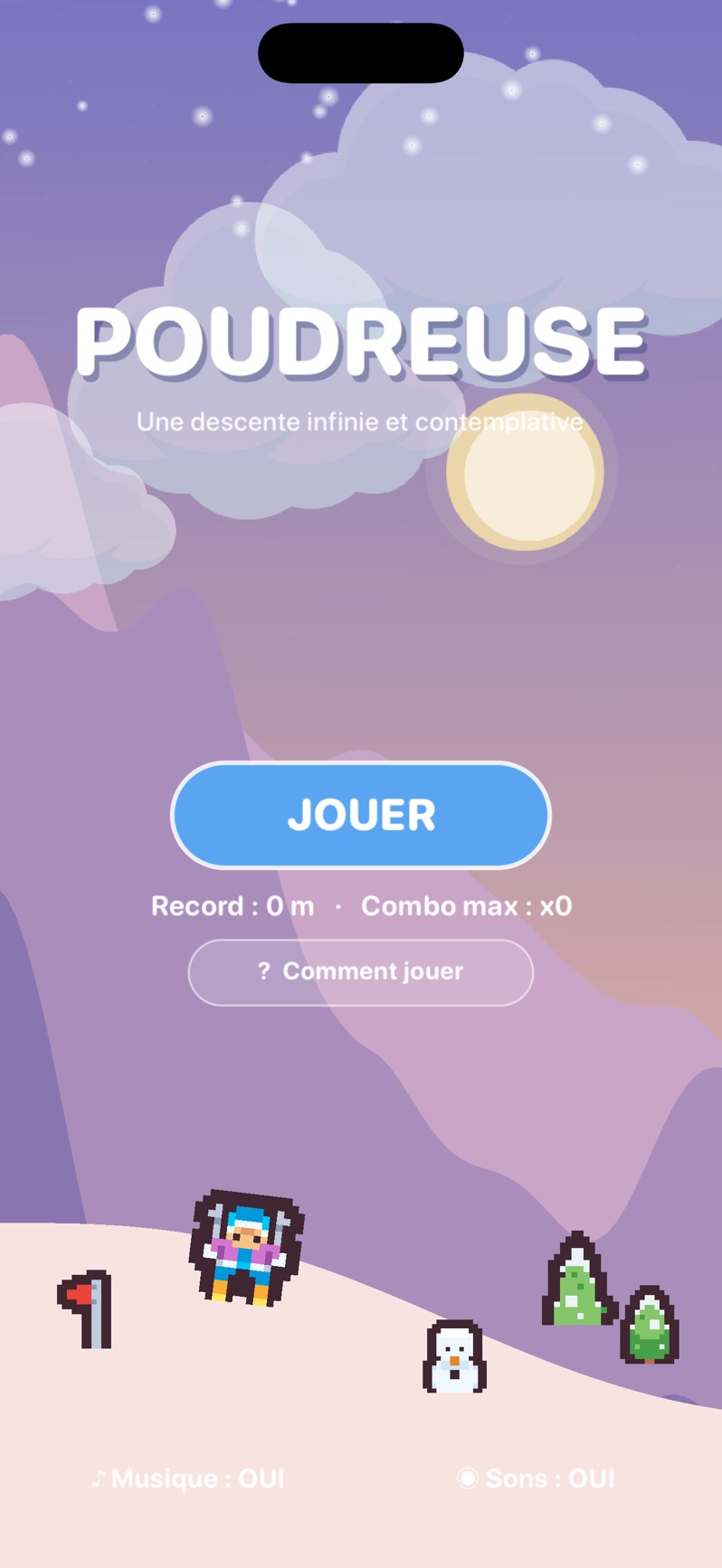
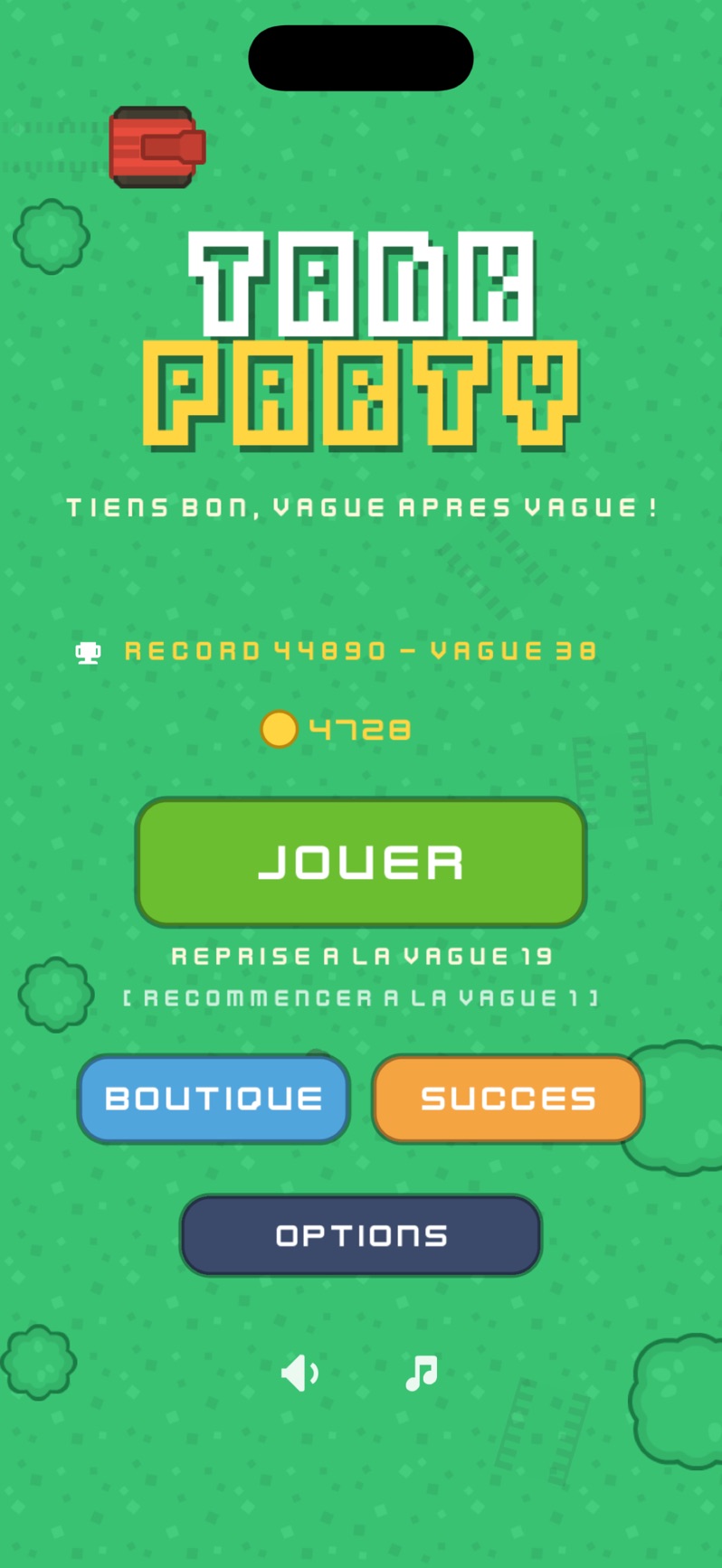
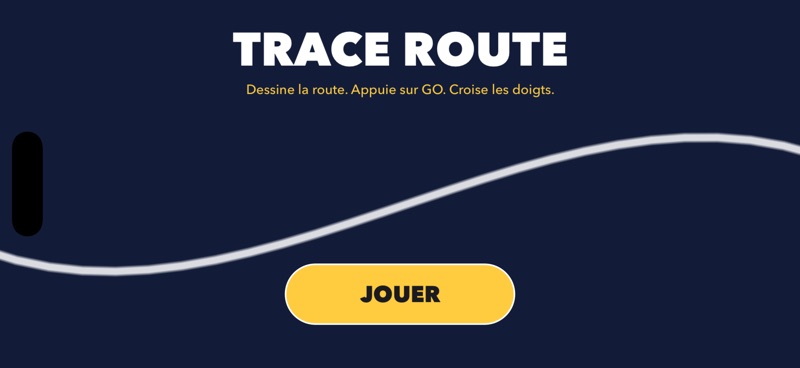
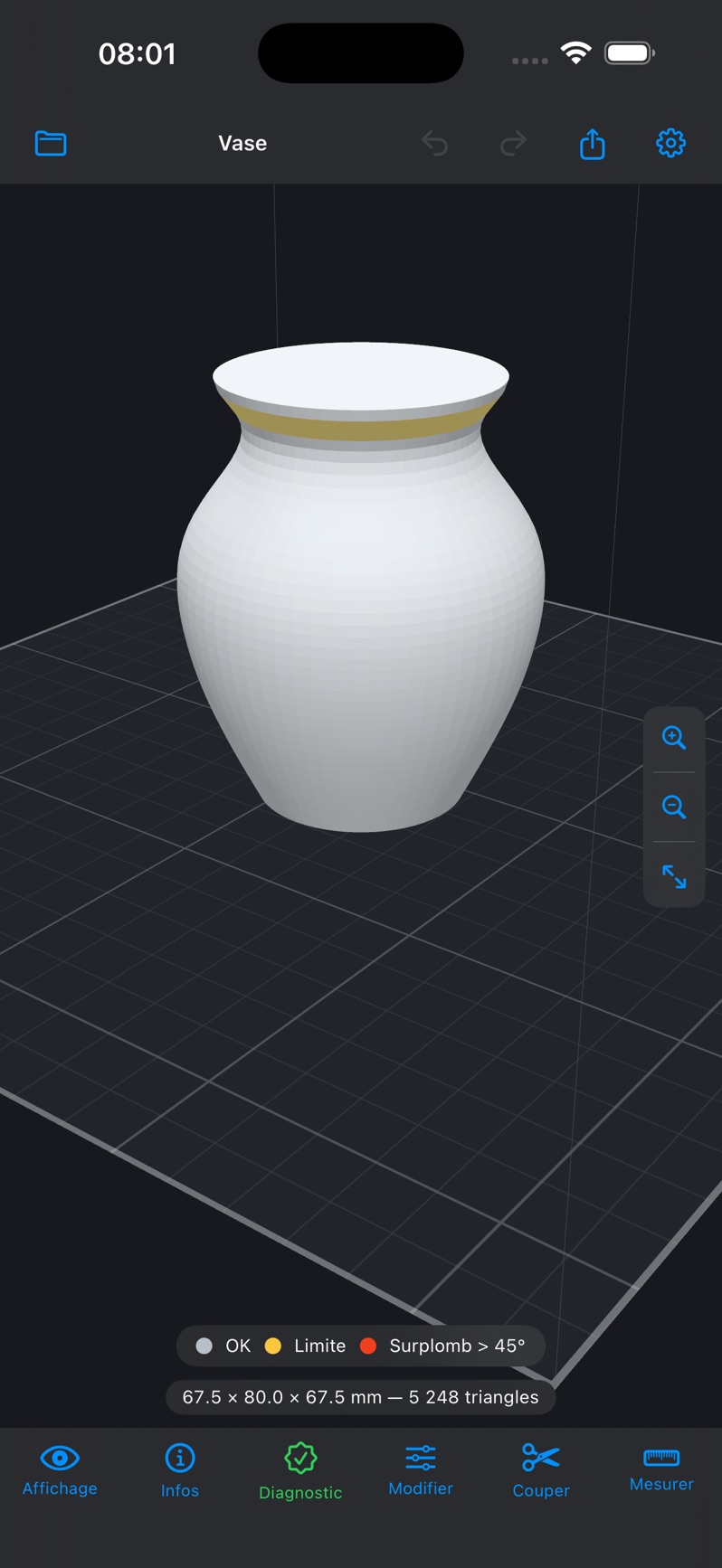
So the rule was simple from the very first game: build what we'd have wanted to see in those kids' hands. Games you close when you want, not games that hold onto you by force. And since a workshop also needs a useful tool, STL Workshop — a 3D viewer and editor for printing — was born along the way.
— Etienne B.